![City of Stirling [DEV]](/awcontent/web/assets/images/logo.svg)
This page includes information about the City’s plan for the conservation, restoration, and preservation of biodiversity.
The City of Stirling is committed to conserving, protecting, and enhancing our community’s natural spaces and biodiversity. The City is home to a rich variety of flora and fauna, many of which are unique to the region and require careful management to ensure their survival. The City, together with the community, has a responsibility to support biodiversity in our natural and urban environments to create connected, healthy ecosystems. It is critical that we care for these areas to ensure their existence for future generations.
The City’s Parks and Environment team is dedicated to the planning, conservation, and management of the City’s biodiversity and natural spaces.
Local Biodiversity Strategy and management plans
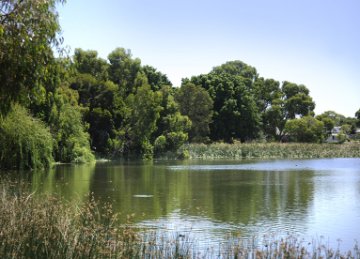
The City manages its natural areas under the strategic guidance of its Local Biodiversity Strategy and site-specific management plans for significant bushlands and wetlands.
The strategy provides a set of strategic visions and governing principles for conservation in the City which includes:
- Preserving current and future areas for protection
- Policy recommendations for legislative protection
- Recommendations for managing and addressing key threatening processes
- Strengthening local biodiversity
- Involving the community through engagement and education.
Degradation and threats
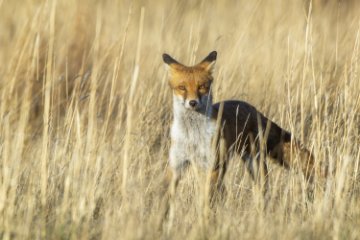
Urban bushlands are increasingly under threat from a range of degrading processes. Understanding the reasons behind bushland degradation and the specific factors that lead to it is crucial for effective conservation and management.
Key threatening processes include:
Our Home Energy Toolkits are available for loan from each of our six libraries. The toolkits will help you learn about energy use in your home to reduce your electricity use, and save money on your bills.
To hire a toolkit visit your local library.
Each Toolkit includes:
- PowerMate Lite to measure the electricity use of plug-in appliances, their cost to run and greenhouse gas emissions
- Infra-red Thermometer to measure the temperatures of hard to reach places so you can check heat gains and losses from your home
- Thermometers to assess outside temperatures and how that impacts your comfort inside.
Translated instructions will also available in Mandarin, Farsi, Croatian and Italian. Please ask for a copy when you borrow your toolkit.
The City has created an online video to assist you with getting the most out of your toolkit. You can view the video by following this link.
Home energy checklist
To help you complete a self-check of your energy use at home and learn about actions to reduce your energy use, a Home Energy Checklist will also be available in English, Mandarin, Farsi, Croatian and Italian from your local Stirling Library.
The City has created an online video to help you complete your checklist at home. To view the video follow this link.
Sustainable Energy Action Plan - Corporate
The City is committed to achieving 100 per cent renewable electricity supply by 2030 and a 70 per cent carbon emissions reduction target by 2030. This will ensure we are doing our bit to help Australia reach Paris Climate Agreement goals and limit the impacts of climate change.
Our priority is to reduce the consumption of grid-powered electricity on City infrastructure (I.e. City owned buildings) or replace it with renewable sources to decrease carbon emissions.
Read the Sustainable Energy Action Plan.
Climate Change Adaptation Plan
The City has shown a long-term commitment to climate change adaptation. The Climate Change Adaptation Plan, developed in 2013, identified key climate risks to the City’s services and operations and priority actions to reduce its exposure to those risks. Implementing the priority actions has helped the City to build climate resilience and be prepared for the more extreme climatic changes. Actions have included measuring and monitoring biodiversity, conserving water and energy, adjusting behaviour to avoid extreme temperatures and building infra-structure that will withstand more extreme storm and flooding events. The Plan is due for review in 2022 as part of the Sustainability Strategy development.
The City’s Living Green Program offers a range of support and initiatives to empower the community to reduce energy use. These include free home sustainability audits, and a wide range of sustainable education opportunities. Please see our top tips below for links to resources about how to save energy at home.
Did you know the average WA energy bill is around $300? That's around $1,800 per year. Here are some tips and useful information to help you save energy and reduce your bills.
- Understand your bills and compare your energy use with Synergy's Energy Tool
- Measure your impact using Carbon Positive Australia’s Carbon Footprint Calculator
Keeping comfortable at home
- View the City's short on-demand energy videos here, covering topics:
- Energy basics – simple tips to save energy in your home
- Keeping it cool – prepare for summer by keeping the heat out
- Winter warmers – prepare for winter by keeping the heat in
- Hot water – tips on how to select the best hot water system for your needs
- Gardening to create a comfortable home – ideas on plant selection, design choices and seasonal changes
- Creating an all electric home – why go electric? What are the benefits?
Local energy resources
- Learn about local community group Clean State Stirling here
- Learn from local experts, Electrify Curtin Committee, how best to electrify your home
Building a new home
- For design advice, check out the guide to Low Carbon Residential Buildings and practical information from Switch your Thinking
Understanding your appliances
Find out which appliances are costing you the most. Visit Synergy for energy saving tips and tricks
- Would you like to learn more about efficient appliances? The Energy Rating website has lots of advice to help you choose the right appliance for you.
- Water heating uses a big portion of household energy. As systems need to be replaced every 5-10 years, be prepared by learning about efficient water heaters
Would you consider switching your cooktop from gas to induction towards becoming ‘all electric’ in your home? Learn whether induction cooking is right for you.
Installing solar
- Learn about key considerations when installing rooftop solar PV in your home
Not sure if solar power and/or battery storage is right for your home? Synergy has some helpful information to help you decide.
Finding the right supplier is important when investing in solar. Here’s a link to Western Power’s tips on finding the right supplier for your solar project.
Conservation and management programs and projects
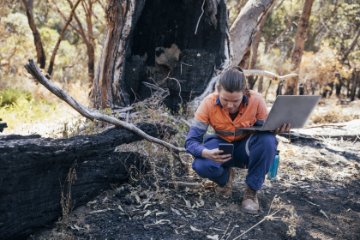
Dedicated programs and projects assist in the conservation and management of the community’s natural spaces and biodiversity.
Current conservation projects include:
Our Home Energy Toolkits are available for loan from each of our six libraries. The toolkits will help you learn about energy use in your home to reduce your electricity use, and save money on your bills.
To hire a toolkit visit your local library.
Each Toolkit includes:
- PowerMate Lite to measure the electricity use of plug-in appliances, their cost to run and greenhouse gas emissions
- Infra-red Thermometer to measure the temperatures of hard to reach places so you can check heat gains and losses from your home
- Thermometers to assess outside temperatures and how that impacts your comfort inside.
Translated instructions will also available in Mandarin, Farsi, Croatian and Italian. Please ask for a copy when you borrow your toolkit.
The City has created an online video to assist you with getting the most out of your toolkit. You can view the video by following this link.
Home energy checklist
To help you complete a self-check of your energy use at home and learn about actions to reduce your energy use, a Home Energy Checklist will also be available in English, Mandarin, Farsi, Croatian and Italian from your local Stirling Library.
The City has created an online video to help you complete your checklist at home. To view the video follow this link.
Sustainable Energy Action Plan - Corporate
The City is committed to achieving 100 per cent renewable electricity supply by 2030 and a 70 per cent carbon emissions reduction target by 2030. This will ensure we are doing our bit to help Australia reach Paris Climate Agreement goals and limit the impacts of climate change.
Our priority is to reduce the consumption of grid-powered electricity on City infrastructure (I.e. City owned buildings) or replace it with renewable sources to decrease carbon emissions.
Read the Sustainable Energy Action Plan.
Climate Change Adaptation Plan
The City has shown a long-term commitment to climate change adaptation. The Climate Change Adaptation Plan, developed in 2013, identified key climate risks to the City’s services and operations and priority actions to reduce its exposure to those risks. Implementing the priority actions has helped the City to build climate resilience and be prepared for the more extreme climatic changes. Actions have included measuring and monitoring biodiversity, conserving water and energy, adjusting behaviour to avoid extreme temperatures and building infra-structure that will withstand more extreme storm and flooding events. The Plan is due for review in 2022 as part of the Sustainability Strategy development.
The City’s Living Green Program offers a range of support and initiatives to empower the community to reduce energy use. These include free home sustainability audits, and a wide range of sustainable education opportunities. Please see our top tips below for links to resources about how to save energy at home.
Did you know the average WA energy bill is around $300? That's around $1,800 per year. Here are some tips and useful information to help you save energy and reduce your bills.
- Understand your bills and compare your energy use with Synergy's Energy Tool
- Measure your impact using Carbon Positive Australia’s Carbon Footprint Calculator
Keeping comfortable at home
- View the City's short on-demand energy videos here, covering topics:
- Energy basics – simple tips to save energy in your home
- Keeping it cool – prepare for summer by keeping the heat out
- Winter warmers – prepare for winter by keeping the heat in
- Hot water – tips on how to select the best hot water system for your needs
- Gardening to create a comfortable home – ideas on plant selection, design choices and seasonal changes
- Creating an all electric home – why go electric? What are the benefits?
Local energy resources
- Learn about local community group Clean State Stirling here
- Learn from local experts, Electrify Curtin Committee, how best to electrify your home
Building a new home
- For design advice, check out the guide to Low Carbon Residential Buildings and practical information from Switch your Thinking
Understanding your appliances
Find out which appliances are costing you the most. Visit Synergy for energy saving tips and tricks
- Would you like to learn more about efficient appliances? The Energy Rating website has lots of advice to help you choose the right appliance for you.
- Water heating uses a big portion of household energy. As systems need to be replaced every 5-10 years, be prepared by learning about efficient water heaters
Would you consider switching your cooktop from gas to induction towards becoming ‘all electric’ in your home? Learn whether induction cooking is right for you.
Installing solar
- Learn about key considerations when installing rooftop solar PV in your home
Not sure if solar power and/or battery storage is right for your home? Synergy has some helpful information to help you decide.
Finding the right supplier is important when investing in solar. Here’s a link to Western Power’s tips on finding the right supplier for your solar project.
Working with community volunteers
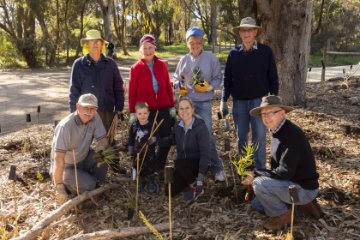
Engaging with community volunteers is not only vital for environmental protection but also fosters a sense of belonging and ownership among residents. In the City of Stirling, several on-ground community volunteer groups act as custodians of local natural spaces, playing a crucial role in bushland conservation.
Joining a local volunteer group offers members of the community an opportunity to connect with nature, acquire new skills, and make a tangible positive impact on the environment.
Volunteering can also lead to new friendships and strengthen the community bond among residents.
Discover your local volunteer group below and get involved in preserving our precious natural spaces:
Surrounding suburbs Between Peasholm Beach and Watermans Bay
Email stirlingnaturalenvironmentcoastcare@hotmail.com
Website https://www.stirlingnaturalenvironmentcoastcare.com/
Facebook https://www.facebook.com/StirlingNaturalEnvironmentCoastcareINC/
Surrounding suburbs North Beach, Watermans Bay, Marmion
Email starswamp@hotmail.com
Website https://friendsofstarswamp.wixsite.com/friendsofstarswamp
Surrounding suburbs Trigg, Scarborough, Karrinyup
Email triggbushland@gmail.com
Website https://www.triggbushland.org.au/
Facebook www.facebook.com/TriggBushland
Surrounding suburbs Gwelup, Karrinyup
Email friendsoflakegwelup@gmail.com
Surrounding suburbs Inglewood, Mount Lawley, Menora
Email inglewood.triangle@gmail.com
Website https://www.bushlandperth.org.au/groups/friends-of-inglewood-triangle/
Surrounding suburbs Coolbinia, Yokine
Email coolbiniabushland@gmail.com
Website https://www.bushlandperth.org.au/groups/friends-of-coolbinia-bushland/
Surrounding suburbs Karrinyup
Surrounding suburbs Dianella
Surrounding suburbs Herdsman, Glendalough


